Myth 1: All Screen Protectors Are the Same
Perhaps the most pervasive myth is that screen protectors are interchangeable commodity products where the cheapest option is perfectly adequate. This couldn't be further from the truth. Screen protectors vary dramatically in materials, manufacturing quality, and protective capabilities.
Budget screen protectors often use inferior glass that's poorly tempered or not tempered at all. They may claim hardness ratings they don't actually meet, providing minimal scratch resistance despite marketing claims. Premium protectors undergo rigorous quality control and use genuine tempered glass with proper oleophobic coatings that repel fingerprints and oils.
The adhesive quality differs substantially between price points. Cheap protectors use inferior adhesives that create rainbow effects, reduce clarity, or fail to stick properly around edges. Quality protectors employ full-adhesive technology that bonds across the entire surface, maintaining perfect clarity and touch sensitivity while ensuring the protector stays in place.
Myth 2: Cases Block Wireless Charging
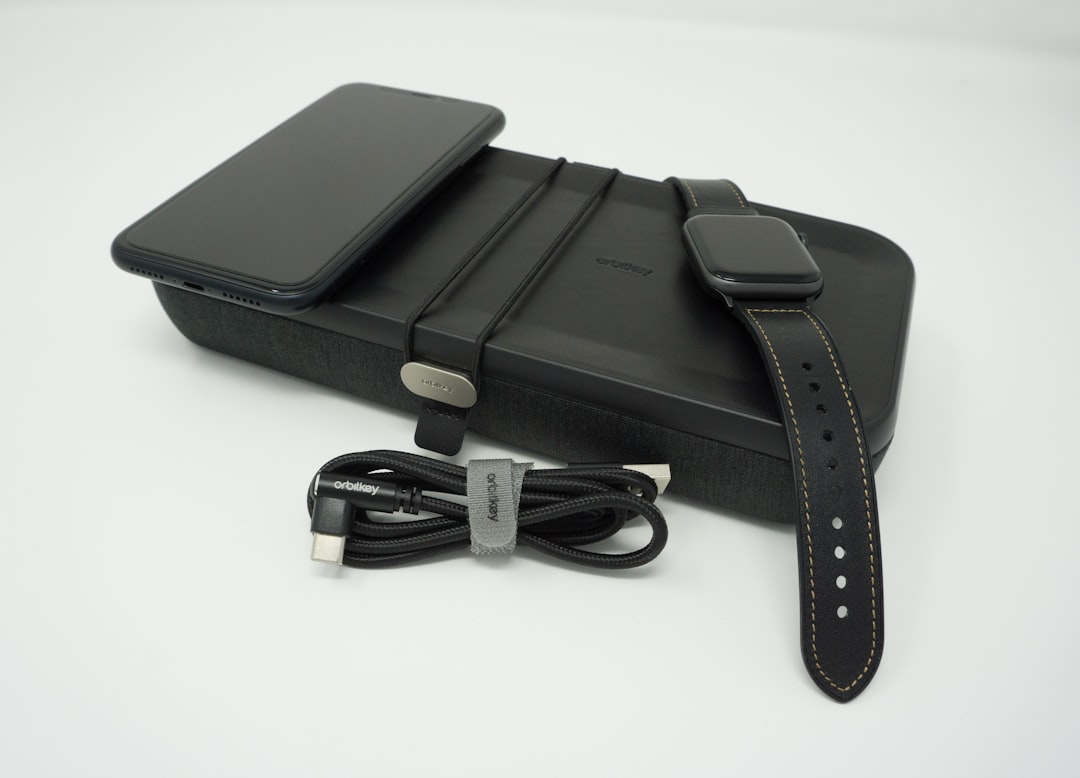
Many users believe phone cases interfere with wireless charging, leading them to remove cases before charging. While this was true for some early cases, particularly metal ones, modern cases rarely cause wireless charging issues. The myth persists despite technological advancement making it largely obsolete.
Wireless charging works through electromagnetic induction, which can penetrate most case materials effectively. Plastic, TPU, silicone, and even thin leather pose no problems for Qi wireless charging. The electromagnetic field easily passes through these materials without significant energy loss or heating issues.
Metal cases do genuinely interfere with wireless charging—this isn't a myth. Metal blocks electromagnetic fields, preventing the charging coil in your phone from receiving power. However, metal cases represent a small minority of available options. If wireless charging matters to you, simply avoid metal cases and you'll have no issues with thousands of other options.
Case thickness matters more than material for wireless charging. Extremely thick cases, typically over 5mm, can reduce charging efficiency by increasing distance between phone and charging pad. Even these cases usually still work, just more slowly. Standard cases under 3mm thick cause no noticeable charging speed reduction.
Myth 3: Gorilla Glass Doesn't Need Protection
Modern smartphones feature remarkably durable glass—Gorilla Glass Victus and similar technologies resist scratches and impacts far better than earlier generations. This leads many to believe their phone doesn't need additional protection. Unfortunately, this confidence is misplaced.
While Gorilla Glass resists scratches from most materials, it's not immune to damage. Sand and other materials containing silica, which are harder than glass, will absolutely scratch even the latest Gorilla Glass. Beach environments, construction sites, or simply having sand in your pocket alongside your phone will cause scratches over time.
Impact resistance is impressive but not infinite. Gorilla Glass can survive drops that would have shattered earlier glass, but drop the phone at the wrong angle or onto a particularly hard surface and it will crack. The edge is especially vulnerable—impacts directly on the edge often spider-web across the entire screen even on phones with advanced glass technology.
Screen protectors serve as sacrificial layers. When your phone drops, the protector absorbs damage and cracks instead of your actual screen. Replacing a ten-pound screen protector beats paying hundreds for screen repairs. Even if Gorilla Glass is durable, protection is inexpensive insurance that preserves your phone's pristine condition.
Myth 4: More Expensive Means Better Protection
The assumption that price directly correlates with protection quality is dangerously misleading. While extremely cheap products often cut corners, once you reach mid-range pricing, additional cost frequently goes toward branding, marketing, or design rather than improved protection.
Luxury fashion brands license their names to case manufacturers, adding fifty pounds or more to the price without enhancing protective capabilities. You're paying for the brand logo, not superior materials or engineering. These cases often protect less effectively than cheaper alternatives from companies focused purely on function.
Military-grade certification matters more than price. A thirty-pound case with genuine MIL-STD-810G certification typically protects better than a seventy-pound designer case without such testing. Look for specific standards and ratings rather than assuming higher prices automatically mean better protection.
Material costs reveal truth behind pricing. Polycarbonate and TPU are inexpensive materials—manufacturing costs for most cases are under five pounds. Everything beyond that covers research, design, testing, marketing, retail markup, and profit. Understanding this helps you identify cases offering genuine value versus those banking on brand perception.
Myth 5: Screen Protectors Reduce Touch Sensitivity
Concerns about reduced touch sensitivity prevent many users from applying screen protectors. This myth has historical basis—early screen protectors did noticeably affect responsiveness. However, modern smartphone screens and quality protectors have evolved beyond this problem.
Capacitive touchscreens work by detecting electrical conductivity from your finger. Quality screen protectors don't significantly interfere with this conductivity. Tempered glass protectors, being essentially very thin glass, conduct touch signals nearly identically to your phone's original screen. Any sensitivity difference is imperceptible in normal use.
Poor quality protectors can indeed affect sensitivity, but this indicates manufacturing defects rather than inherent protector limitations. Thick, poorly made protectors or those with air gaps under the surface will reduce responsiveness. Quality protectors bonding directly to your screen maintain full touch sensitivity.
If you experience reduced sensitivity after installing a protector, the issue is likely improper installation rather than the protector itself. Air bubbles or dust particles under the protector create gaps that genuinely affect touch performance. Reinstalling properly usually resolves the problem entirely.
Myth 6: You Don't Need Both Case and Protector
Some argue that cases provide sufficient protection without screen protectors, or that protectors alone protect adequately. This either-or thinking ignores how cases and protectors defend against different threats through complementary mechanisms.
Cases primarily protect against drops and impacts to the phone's body, sides, and back. They prevent dents, scratches to the frame, and camera lens damage. However, most cases leave the screen itself relatively exposed, even those with raised bezels. A face-down drop can still crack screens despite excellent case protection.
Screen protectors defend specifically against screen damage—scratches from keys or coins in pockets, cracks from direct screen impacts, and accidental damage during normal handling. They do nothing for the phone's body, back, or internal components. The protector can be pristine while your phone's frame gets dinged.
Maximum protection requires both elements working together. The case handles body protection and reduces impact forces reaching the screen. The protector serves as final defense for the screen itself. This layered protection approach addresses all common damage scenarios rather than leaving vulnerabilities.
Myth 7: Clear Cases Don't Yellow
Many manufacturers claim their clear cases resist yellowing indefinitely, using marketing terms like "anti-yellowing technology." While some cases resist discoloration better than others, all clear plastic and TPU cases will eventually yellow with extended use—it's a question of when, not if.
Yellowing occurs through oxidation and UV exposure breaking down polymer chains in the material. This chemical process is inevitable for clear plastics, though rates vary based on material quality and exposure. Cases exposed to sunlight frequently yellow faster than those primarily used indoors.
Premium clear cases use UV stabilizers and higher-grade polymers that slow yellowing significantly. A quality clear case might remain pristine for 12-18 months versus cheap cases yellowing within weeks. However, "slow" isn't "never"—eventually, all will discolor to some degree.
The good news is clear cases are typically affordable, making replacement painless when yellowing becomes noticeable. Rather than expecting permanent clarity, plan to replace clear cases yearly. This approach maintains your phone's aesthetic appearance without unrealistic expectations of permanent crystal clarity.
Myth 8: Thicker Cases Always Protect Better
Intuition suggests thicker cases must protect better—more material means more protection, right? While thickness generally correlates with protection, this relationship isn't linear. Case design, material quality, and construction techniques matter more than thickness alone.
A well-designed slim case using advanced materials can outperform a thicker case with poor construction. Strategic reinforcement at vulnerable points—corners, edges, button areas—provides better protection than uniform thickness throughout. Engineers optimize protection-to-bulk ratios rather than simply adding material everywhere.
Excessive thickness actually reduces protection in some scenarios. Very thick cases may not fit properly in pockets or bags, causing users to remove them regularly. A case in your drawer doesn't protect your phone. The best case is one you'll actually use consistently, which often means accepting slightly less protection for acceptable bulk.
Making Informed Decisions
Understanding the truth behind these common myths empowers better protection decisions. Don't rely on assumptions or marketing claims—research specific products, read reviews from verified users, and understand the actual protective mechanisms involved.
Question absolute statements about phone protection. Claims like "never scratch" or "total protection" should raise skepticism. No protection is perfect—all products involve compromises between protection, usability, cost, and aesthetics. Understanding these trade-offs helps set realistic expectations.
Bottom Line: Phone protection is surrounded by myths that prevent users from making informed decisions. By understanding the facts, you can choose protection that genuinely meets your needs rather than solutions based on misconceptions. Stay informed, question marketing claims, and make evidence-based choices.